Dear ALASCA community,
It’s finally time for another ALASCA Community Digest! We’ve had a few exciting months and are delighted to be able to update you on the following:
- Update on this year’s General Meeting
- Update on the ALASCA Summit 2026: Call for Contribution
- Update on our 2nd ALASCA Community Hackathon in Stuttgart
- Update on our funded project FOCIS
- News from ALASCAs Technical Steering Committee
- Insights into the latest developments at our Open-source projects
- Latest news on ALASCA Tech-Talks
More exciting News
ALASCA General Meeting 2026
We’re kicking off this Community Digest with HUGE news! On 8 July, our members gathered for the annual ALASCA General Meeting. To begin with, ALASCA’s Chair, Marius Feldmann, gave a comprehensive overview of the association’s developments and activities over the past year and, together with Treasurer Steffen Brauss (STACKIT), provided an insight into the association’s finances. Following the presentation of last year’s audit report, the Executive Board was granted discharge. In addition, Josephine Seifert, Deputy Chair and TSC Lead, gave an overview of the activities of the Technical Steering Committee, and Matthias Büchse, Project Manager of the ALASCA FOCIS funding project, provided an overview of the results achieved within the project.
The highlight of this year’s General Meeting was the election of the Executive Board. The nominations received in advance for the ALASCA Executive Board led the General Meeting to resolve to increase the number of Executive Board members from 3 to 7. The election of the new Executive Board then took place. We warmly congratulate Marius Feldmann (Cloud&Heat Technologies) on his re-election as Chair of the Executive Board, Josephine Seifert on her re-election as Deputy Chair, and Steffen Brauss (STACKIT) on his re-election as Treasurer. We are also delighted to welcome Daniel Gerber, Christian Berendt (23Technologies), Vera Böhner and Matthias Haag (UhuruTec) as new members of the ALASCA Executive Board. Congratulations on your election! We are delighted by your commitment and look forward to actively shaping the future of ALASCA together with you.
The general meeting also resolved to leave membership fees unchanged for the year 2027, and adopted a Code of Conduct for the club. The members also looked back on the club’s objectives set out last year. Fortunately, many of these have already been achieved, whilst the remainder are well on track. Finally, Marius Feldmann outlined the club’s objectives for the period up to the end of 2027.
The entire ALASCA team would like to extend its warmest thanks to all members for their large turnout at our general meeting and for their ongoing support of our association. We can look back on a very successful general meeting.

Update on the ALASCA Summit 2026: Call for Contribution
Call for Contibution open until 31 July
The countdown to the deadline for this year’s ALASCA Summit Call for Contributions is on, and you still have until 31 July 2026 to submit your talks, workshops and topics. We’d be delighted if you could once again support us this year with plenty of exciting submissions, so that together we can put together a fantastic programme for our community. Whether you have a new project, an exciting use case or some classic lessons learnt – we’d love to hear from you! As you’ll all know from previous years, this year we’re once again offering short and snappy lightning talks, longer presentations and workshops – and you’re welcome to submit your topics for these by 31 July 2026.
Further information regarding our Call for Contribution can be found on our website.
Registration and room allocation
Feel free to register now for the ALASCA Summit for free. Registering early helps us with the organisation and gives us some certainty when it comes to planning. And you’ll be guaranteed a ticket!
In addition, we would like to inform you that we Hotel rooms at the Mighty Twice Hotel have booked at discounted rates. Anyone who would like a short and convenient journey to the Summit venue is welcome to do so by 31.07.2026 a room in the Mighty Twice Hotel secure.
ALASCA Community Hackathon #2 in Stuttgart
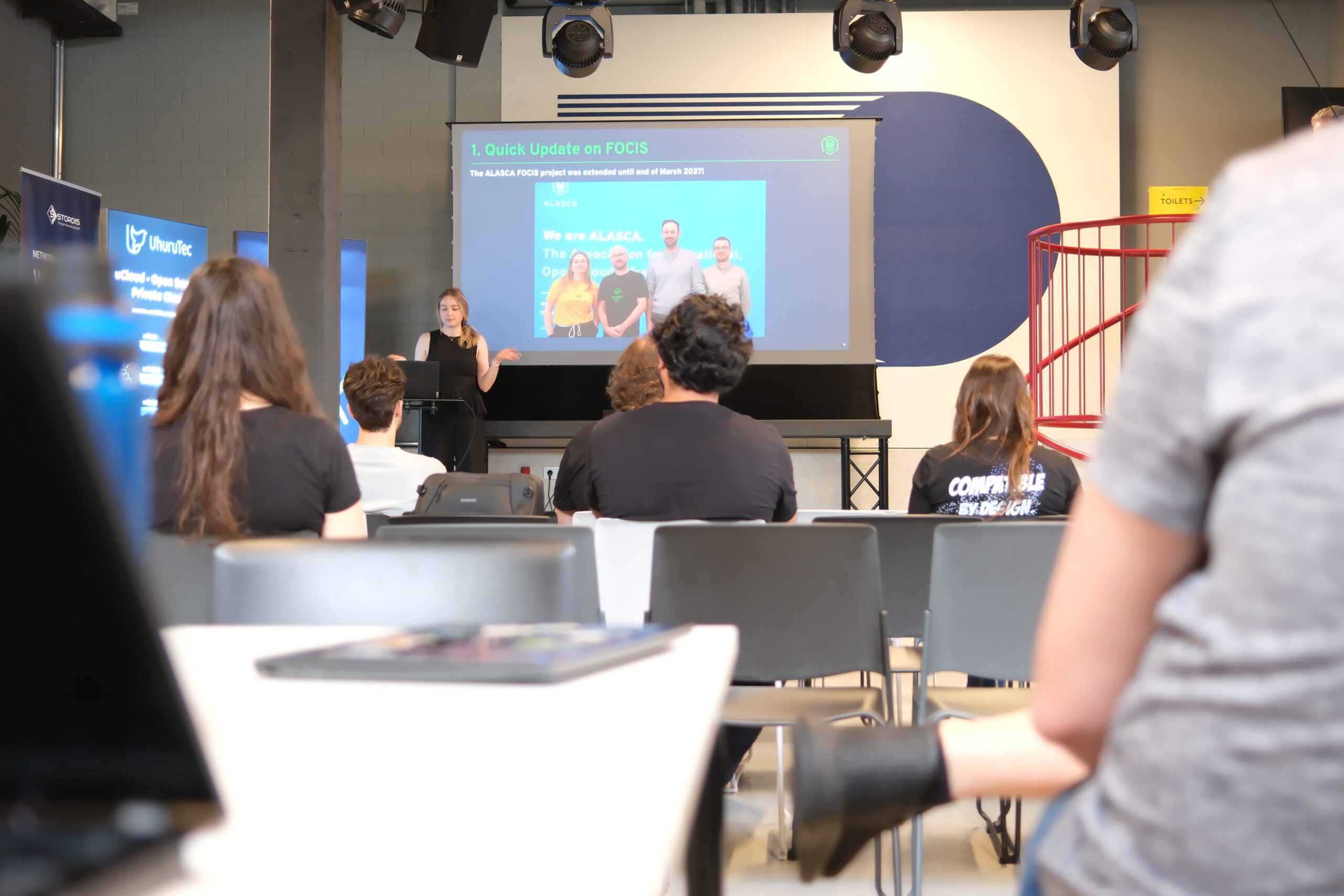
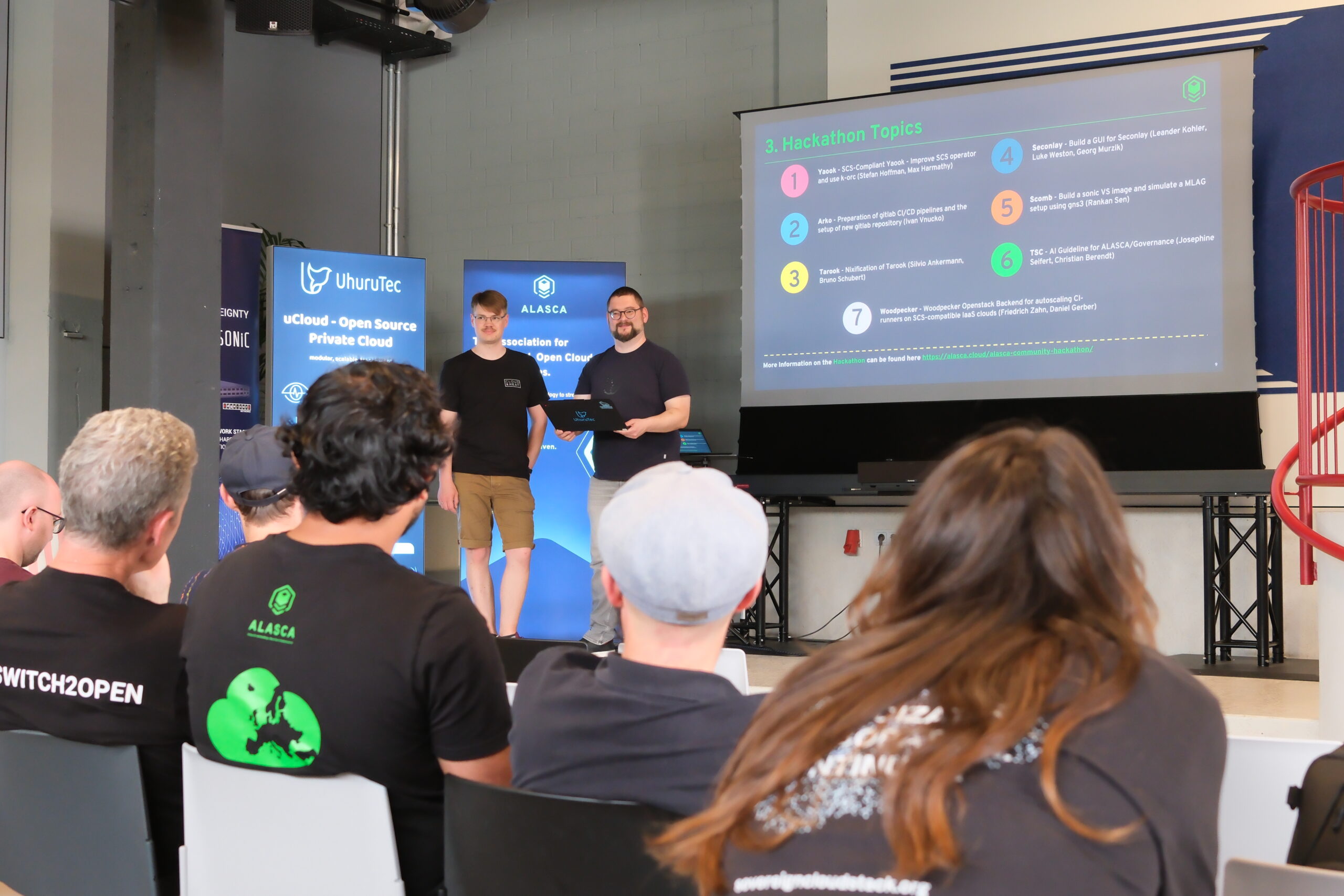
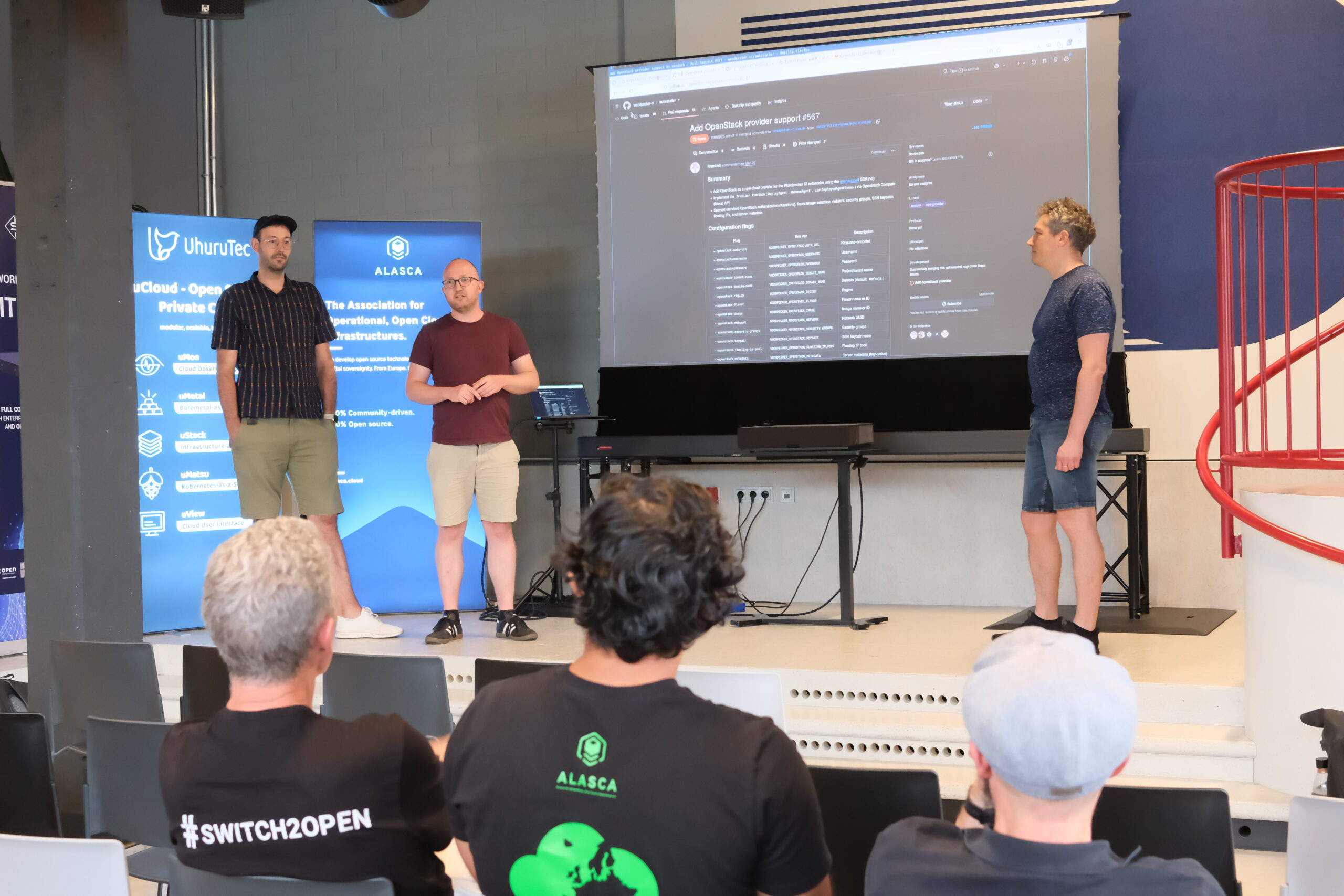
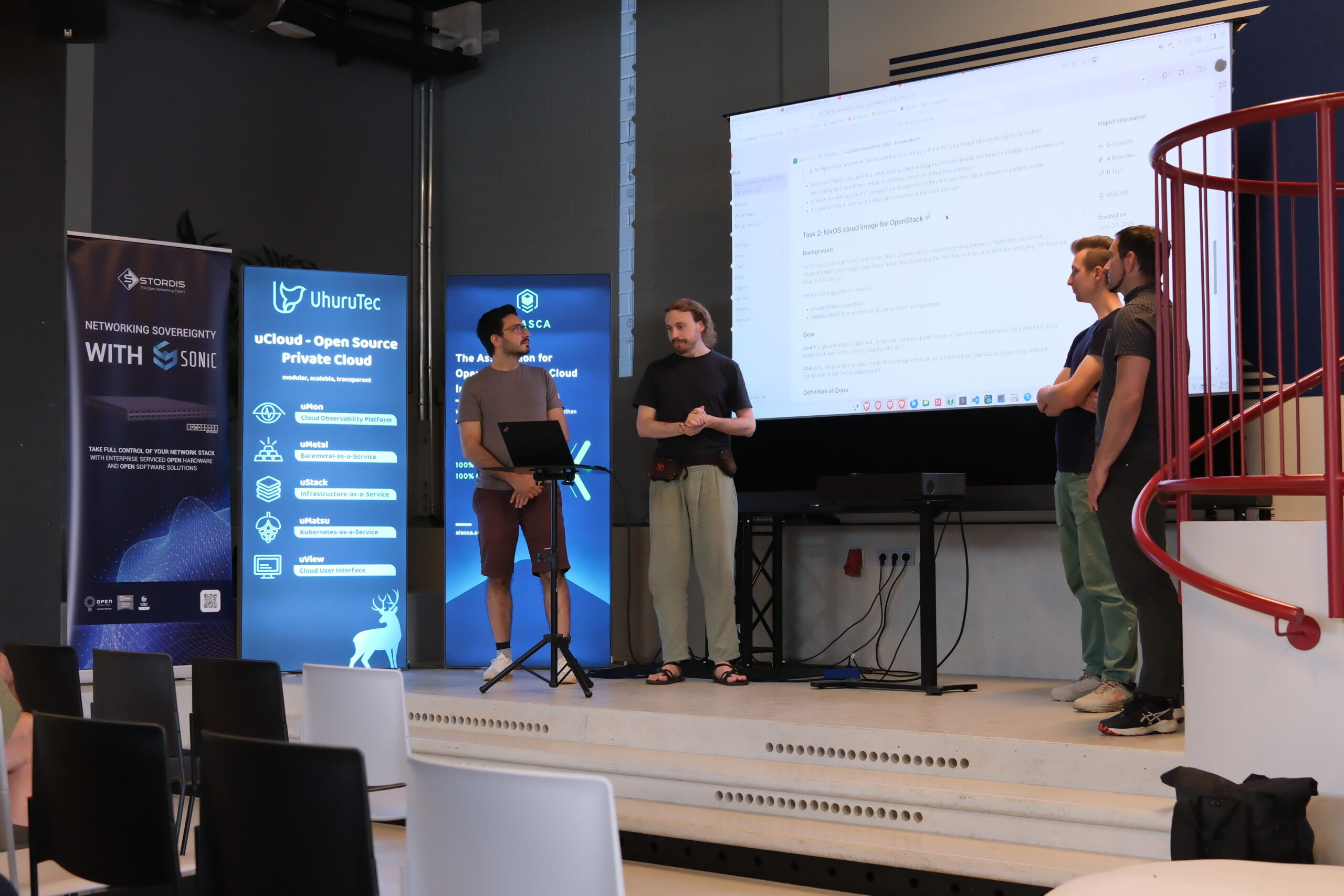
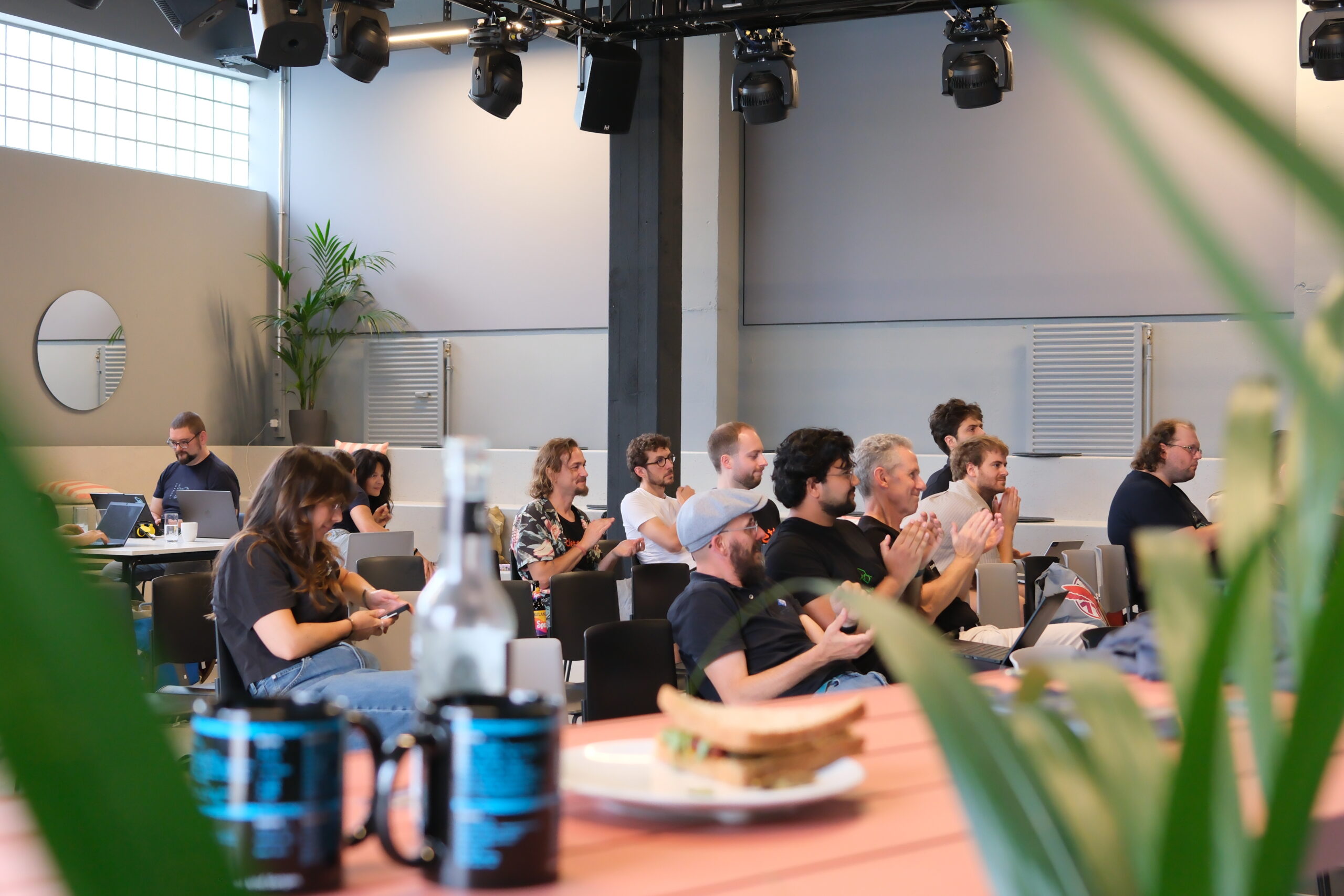
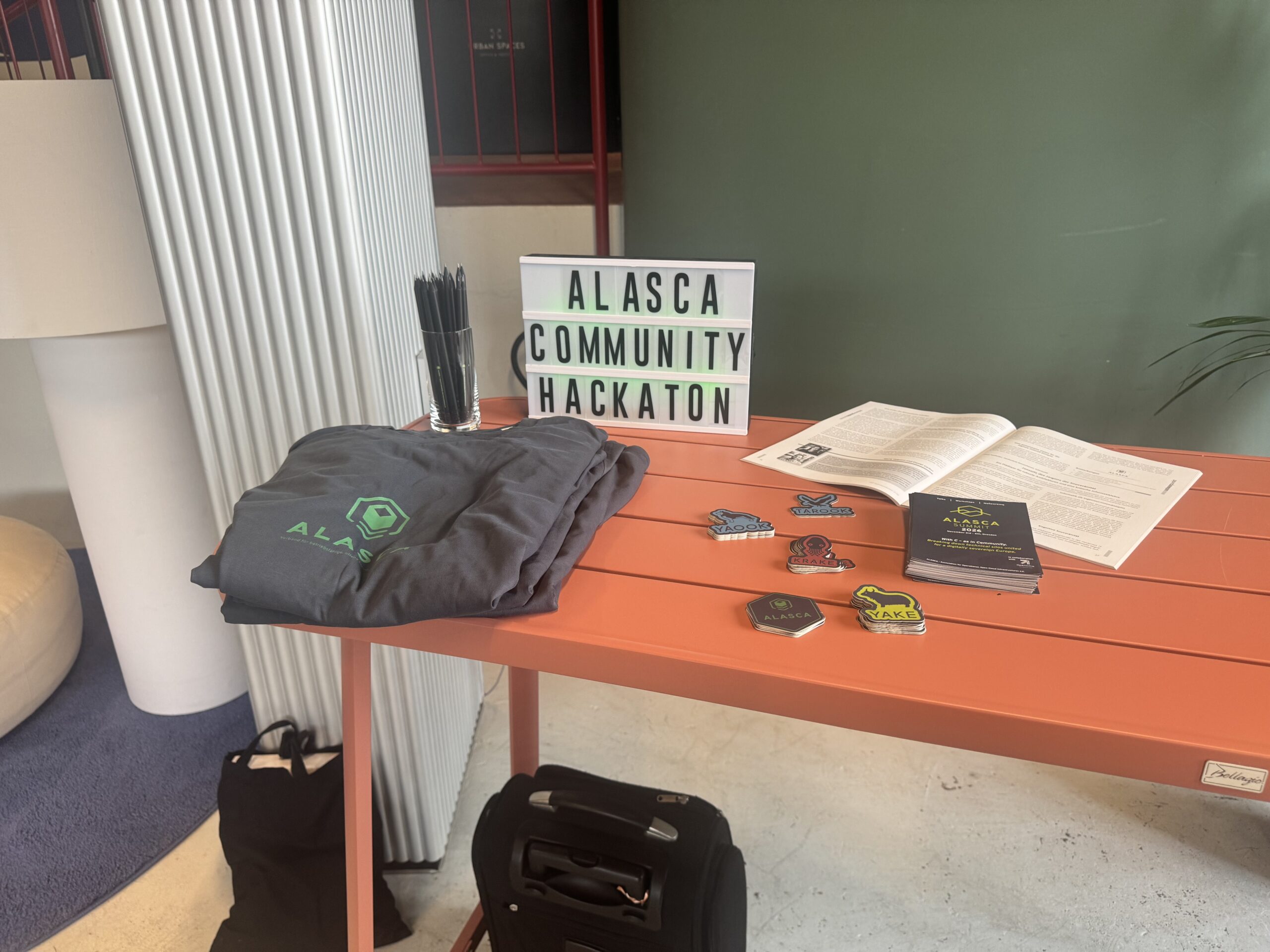
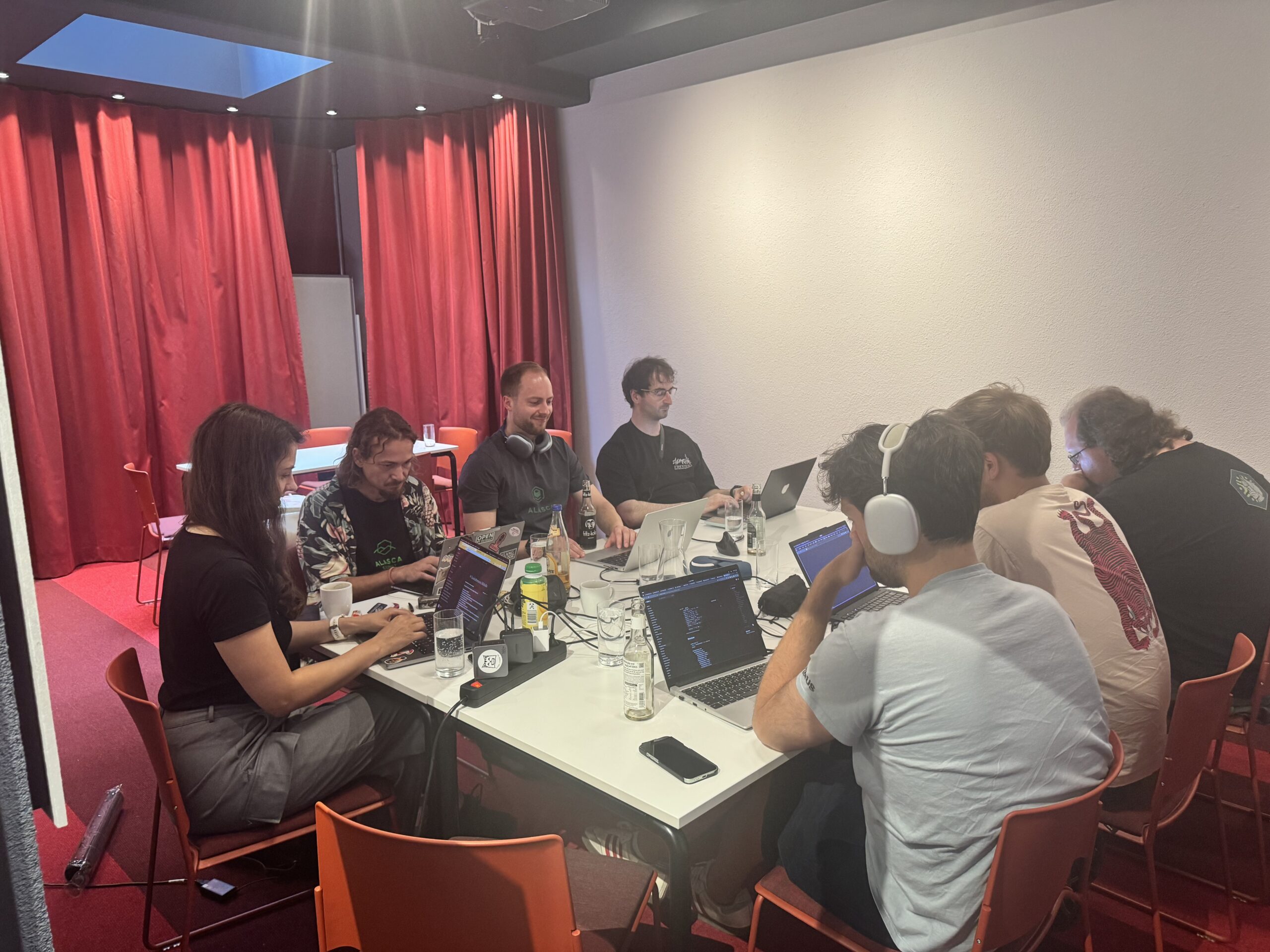
On 1 and 2 July, our ALASCA Community Hackathon took place for the second time – and was once again a full house. For two days, we worked together in small groups, focusing intently on various projects, issues and objectives.
The presentations of the individual groups’ results at the end of the event demonstrated just how successful the sessions had been and how satisfied the community was. All the groups were able to make good use of the two days to further develop their projects and achieve the goals they had set themselves for the hackathon. Anyone wishing to gain a more detailed insight into the hackathon’s results is welcome to browse through the Pads and Issues of the various groups. These are here to be found.
Thanks to our member UhuruTec, we were also treated to a wonderful evening between the two hackathon days, as we were once again invited to attend the summer festival.
We would like to take this opportunity, on behalf of the entire ALASCA team, to once again express our gratitude to the event’s sponsors – UhuruTec, B1 Systems and STORDIS. Without your help, we would not have been able to organise such an event for our community. We would also like to thank the SAB and the Saxon State Ministry for Economic Affairs, Labour, Energy and Climate Protection, as the event was organised as part of the ALASCA FOCIS funding programme.
We would also like to extend our heartfelt thanks to our community, who once again spared no expense or effort and turned out in such large numbers for our hackathon. It was another resounding success.
This measure is co-financed with tax revenue on the basis of the budget approved by the Saxon state parliament.
Lorem ipsum dolor sit amet, consectetur adipiscing elit. Ut elit tellus, luctus nec ullamcorper mattis, pulvinar dapibus leo.
Lorem ipsum dolor sit amet, consectetur adipiscing elit. Ut elit tellus, luctus nec ullamcorper mattis, pulvinar dapibus leo.



Lorem ipsum dolor sit amet, consectetur adipiscing elit. Ut elit tellus, luctus nec ullamcorper mattis, pulvinar dapibus leo.
Update from our funding project FOCIS
Progress is also continuing steadily on our FOCIS funding project, and we are delighted to begin the FOCIS team’s report with some fantastic news: The ALASCA FOCIS funding project has been extended by the Free State of Saxony and the Sächsische Aufbaubank (SAB) at no additional cost until the end of March 2027. The project was originally scheduled to end on 31 July 2026. On behalf of the whole of ALASCA e.V., we are therefore very grateful that the ALASCA-FOCIS team can now spend a further eight months working towards the project’s objectives and continue to provide significant support to the association.
As part of the project extension, the FOCIS team organised a project update call at the end of June. During this call, they presented the progress made so far towards the project’s objectives, initial findings and the planned activities for the remainder of the project. As interest in the project remains high, the project update call will take place again at the end of July to give all interested parties the opportunity to gain an insight into the ALASCA-FOCIS project. The team therefore cordially invites you to the next project update on 31 July at 09:00.
Following a very eventful first quarter of 2026, the FOCIS team has been able to focus more intensively over the past three months on technical development, documentation and support in the area of technical governance, achieving the following successes in the process:
- Improvements to docs.alasca.cloud:
- Project matrix
- Integration of new mailing lists
- Addition of IXpect
- Documentation for a demonstrator of SCS-compliant Yaook
- Introduction of new mailing lists:
- „announce“ for safety instructions
- „dd8a-operations“ for operational information for users of our
Community resources
- Provisioning OpenStack resources for SCOMB
- SCOMB presentation at the DD-IX Open Tech Meetup
- Support for projects in resolving „copy.fail“ issues
- Setting up GitLab Runners with automatic scaling for security-critical Yaook builds
- Set-up of a Vaultwarden instance to manage login credentials for ALASCA services
- Set up an Uptime-Kuma instance to monitor ALASCA services, such as.
the documentation page, the password manager, the GitLab Runner Manager, monitoring for the Yaook Image Registry, the Yaook Chart Registry and others - Contributing to a merge request to make the Cinder backup functional
- Contributing to the Tarook documentation to improve the Vault documentation
to make it more accessible - Further support for the SCS:
- Establishment of regular tests for the certification of KaaS environments
- Implementation of a test adapter for Gardener-based environments
- Fine-tuning the standards at both the IaaS and KaaS levels
- Improvements to the Compliance Monitor’s user interface (further improvements to follow)
In addition, the FOCIS team once again represented our association at the SCS Summit in May and took part in the programme with a Lightning Talk by FOCIS project manager Matthias Büchse on the topic of “SCS-compliant deployment of OpenStack”, as well as his role as moderator of the Panel discussion on the topic of “Open Source Standards in Practice” by Daniel Gerber.
The FOCIS team also took part in the ALASCA Community Hackathon on 1 and 2 July, focusing primarily on Woodpecker. In addition, the team supported the code migration of the open-source project Arko to the ALASCA GitLab namespace.
Update from our Technical Steering Committee
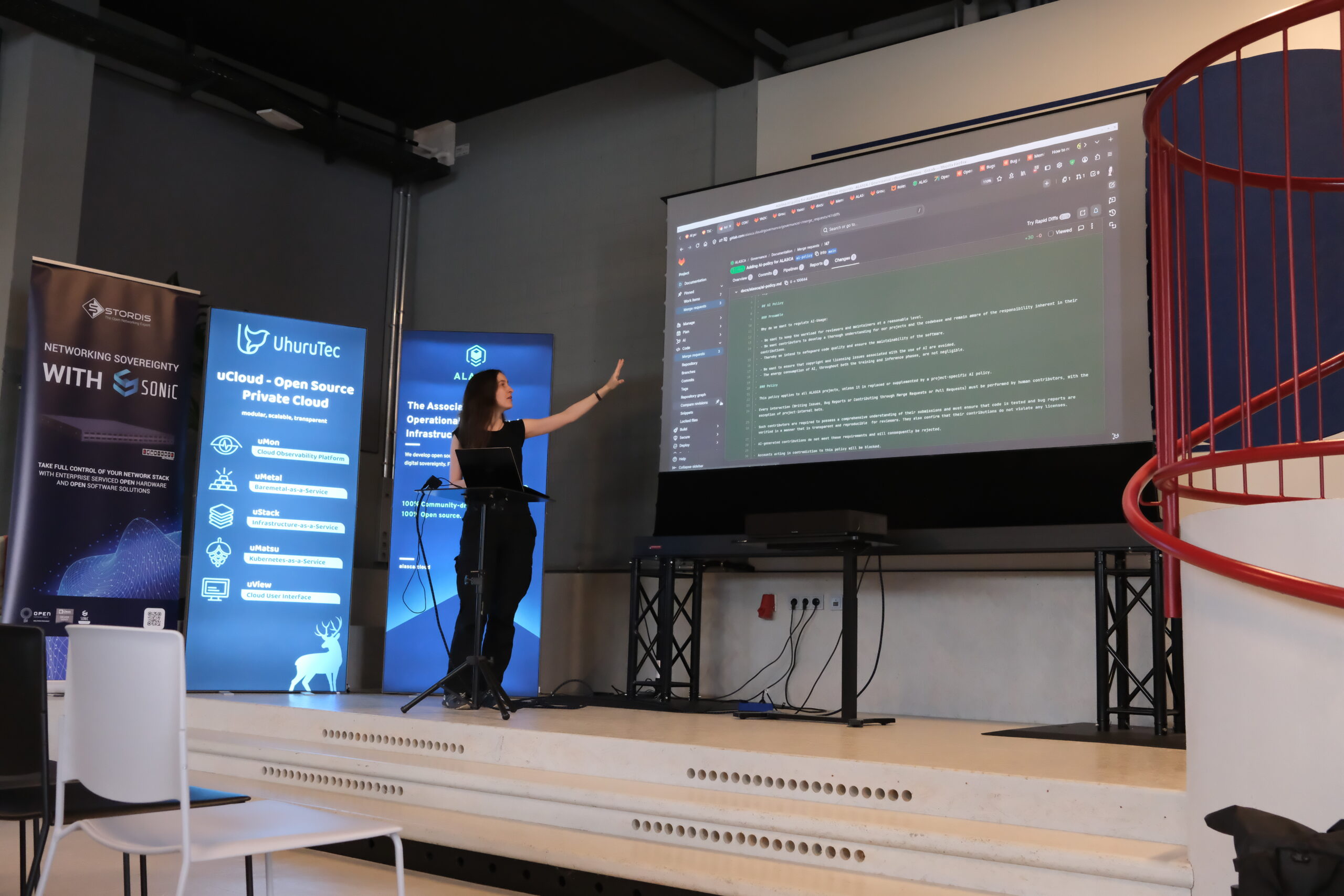
ALASCA’s Technical Steering Committee has also continued to work on key issues over the past few months, focusing in particular on an AI policy for our association. This was subsequently discussed with the projects at the ALASCA Community Hackathon in early July. Taking the feedback received into account, an initial draft was drawn up. The AI policy is currently still awaiting approval by the Executive Board.
Furthermore, one of the projects raised the issue of community code for discussion within the TSC. Following detailed consideration, it was decided that community code and contributions from the community are, of course, very welcome. At the same time, however, such code cannot be included in the actual project code, as it must be ensured that responsibilities are assumed for every piece of code that is incorporated.
However, it is strongly encouraged to refer to the existing Community Code in the relevant project documentation.
News from our open source projects
The teams behind our open source projects were once again hard at work in the last quarter. Now let's move on to the updates:
Arko
The following has happened at Arko since the last ALASCA Community Digest:
- The new ALASCA Thanos Helm charts are ready; the Arko team helped to create them, and Arko can now use these instead of the problematic Bitnami charts
- Add a custom VFIO exporter and a new dashboard to display custom metrics, thereby providing insights into GPU utilisation and status on virtual machine hosts
- Work is currently underway to adapt dashboards and widgets to use `grafonnet` instead of `grafonnet-lib` to support newer versions of Grafana
- A project has been launched to support Proxmox in Arko
Tarook

Tarook v13.0 was released in the second quarter of 2026 and offers a range of enhancements and improvements, including:
- Support for flexible Kubelet configurations has been added
- Updated Helm charts for several Kubernetes components
- Improved reliability of Kubernetes API calls
- Support for playbooks has been added in Ansible 12
- Parallel downloading of images by Kubelets has been enabled to reduce pod start-up times
- Updated the Nixpkgs input channel to 25.11
- Improved modularisation and clean-up of the source code
- Extension of the documentation
Yaook

In the Yaook project we can inform you about the following project updates:
- Automating the creation and rotation of Octavia CAs and certificates using cert-manager instead of manual creation
- Improvements to Cinder volume backups – access to multiple RBD backends (previously, backups from Ceph were not readily possible), addition of further configurations
- Updates to the Octavia Worker for managing dependencies on the ovn-agent
- Octavia now supports the OVN backend
- There were numerous CVEs in OpenStack (and two in OVN) for which the project team has added patches
- Improvements to some „Lifeness“ and „Readyness“ probes
- Introduction of support for AMD SEV-SNP for Nova instances
- See also https://docs.yaook.cloud/releasenotes.html
IXpect
A lot has happened at IXpect over the last three months too:
- The project team received feedback from other IXP operators who use IXpect
- You have reported a number of issues and put forward some feature requests
The project team was delighted with this development
Version 0.1.1 has been released to fix bugs
Issues with „link-locale-address“ in the „ipv6_bogon“ test have been resolved
The documentation has been improved
Work is currently underway on version 0.2.0
Improvements to PCAP input (instead of live packet analysis)
Revision of the „bum-probe“
Adding a sample for monitoring Layer 4 protocols
Seconlay
Seconlay has had a very exciting quarter and is delighted with its new project logo – the mountain goat. In addition, there have been the following developments:
- Incorporation of the project name „Seconlay“ and logo into the documentation
- Revising the Contribution Guide (
CONTRIBUTE.md,DCO.txt, MR Template, Guides) - Change from
nivonlonfor managing Nix dependencies - Expansion of the Compute API subcomponent to include numerous functions (not yet available in the parent SCL API):
- VM Live Updates
- vsock
- virtiofs
- direct kernel boot
- Aliases for VMs and volumes: Revising error handling
- Switch to a systemd-based process structure
- Expansion of component documentation
ALASCA Tech-Talks

We once again hosted some very interesting tech talks last quarter, kicking off in April with a talk by Vasu Chandrasekhara, an adviser at the NeoNephos Foundation, in which he highlighted the challenges facing the IPCEI project and outlined the key technical aspects of NeoNephos.
In May, we were delighted to welcome Tassilo Tanneberger, Chairman of the Board of the Dresden Internet Exchange (DD-IX e.V.), to our premises. In his tech talk, he introduced the community to IXpect, the open-source project recently handed over by DD-IX to ALASCA, and provided an in-depth technical insight into how it works.
In June, Tor Lund-Larsen, CEO of Cyberus Technology, introduced us to Cyberus’s new hypervisor – written in Rust and accredited by the BSI – and explained what makes it so special.
As always, you can find all the Tech Talks on our YouTube channel and you can watch them at any time afterwards.
What can you look forward to in the coming months in terms of Tech Talks?
In July, the ALASCA-FOCIS team will take you on a journey through the technical governance and infrastructure needed to keep an organisation like ALASCA running. Along the way, the team will show how the many small building blocks of the infrastructure fit together.
In August, we welcome x-cellent technologies, who will be presenting on the topic of Metal Control Plane Deployments in their tech talk.
At the end of the third quarter, we can look forward to a tech talk on our open-source project, Seconlay, and delve deeper into how it works and its architecture.
More news
What else was new?
Last quarter, an article on ALASCA, written by Daniel Gerber (ALASCA FOCIS) and María Vaquero (Cloud&Heat Technologies), appeared in the issue of the FIfF Communications published. The article provides a comprehensive introduction to the association, covering our mission, our history and our open-source projects. All in all, we are delighted that ALASCA has been featured in a specialist magazine!
Furthermore, we have received the initiative from the EU Sovereign Tech Fund We learnt about the initiative being spearheaded by OpenForum Europe and decided to support it as ALASCA. The aim of the initiative is to channel more funding into the actual maintenance, security and continuous improvement and further development of open-source projects. This is intended to counteract the well-known funding challenges in the open-source sector, where often only the initial development phase of new open-source projects receives funding.
Last but not least, we have organised a Community calendar has been developed and published on the website. It’s designed to give you an overview of upcoming ALASCA events, our monthly Tech Talks and regular meetings – all at a glance. So if you want to stay completely up to date, you can now easily add the event series – such as the Tech Talks – to your own calendar! Some of our meetings are open to all, and we’d love for you to join us whenever you can. Others are designed to keep you informed about current issues, so that you can raise any relevant points with the relevant committees at an early stage if necessary. This means you now have an overview of when, for example, the ALASCA Technical Steering Committee or the FOCIS team meets.
Thank you for your interest, your support and see you soon - online or in person.