

Dear ALASCA community,
Time is flying by and we’ve already reached the end of the third quarter – which means nothing less than a new Community Digest, this time featuring updates and a look back at the third quarter of the year! We’re delighted to share the following updates with you:
- Update on this year’s ALASCA Round Table
- Update on the ALASCA Summit 2026: Programme and Registration
- Update on our funded project FOCIS
- News from ALASCAs Technical Steering Committee
- Insights into the latest developments at our Open-source projects
- Latest news on ALASCA Tech-Talks
- New episode of our ALASCA OpenSnacs
-
More exciting News
ALASCA Round Table 2026
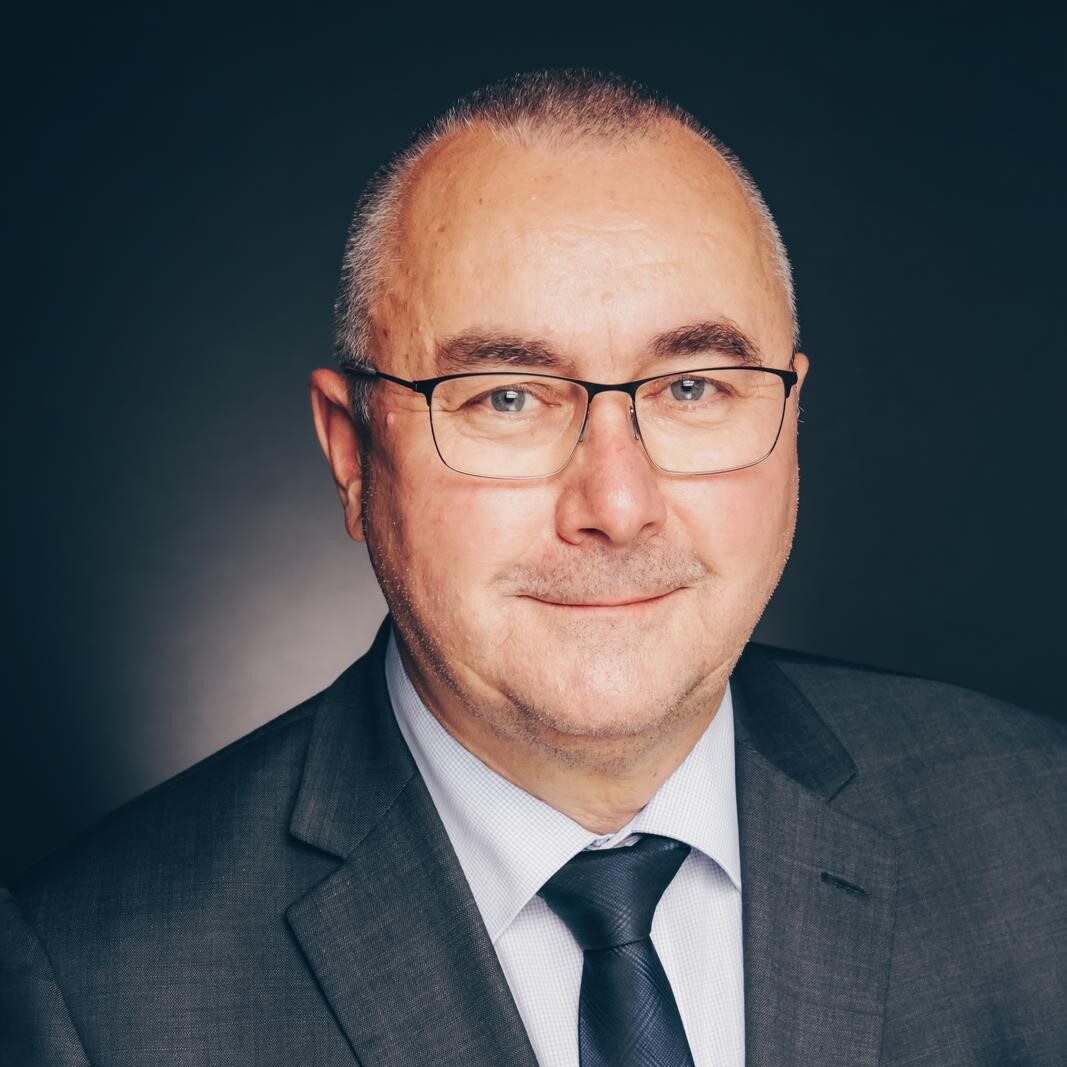
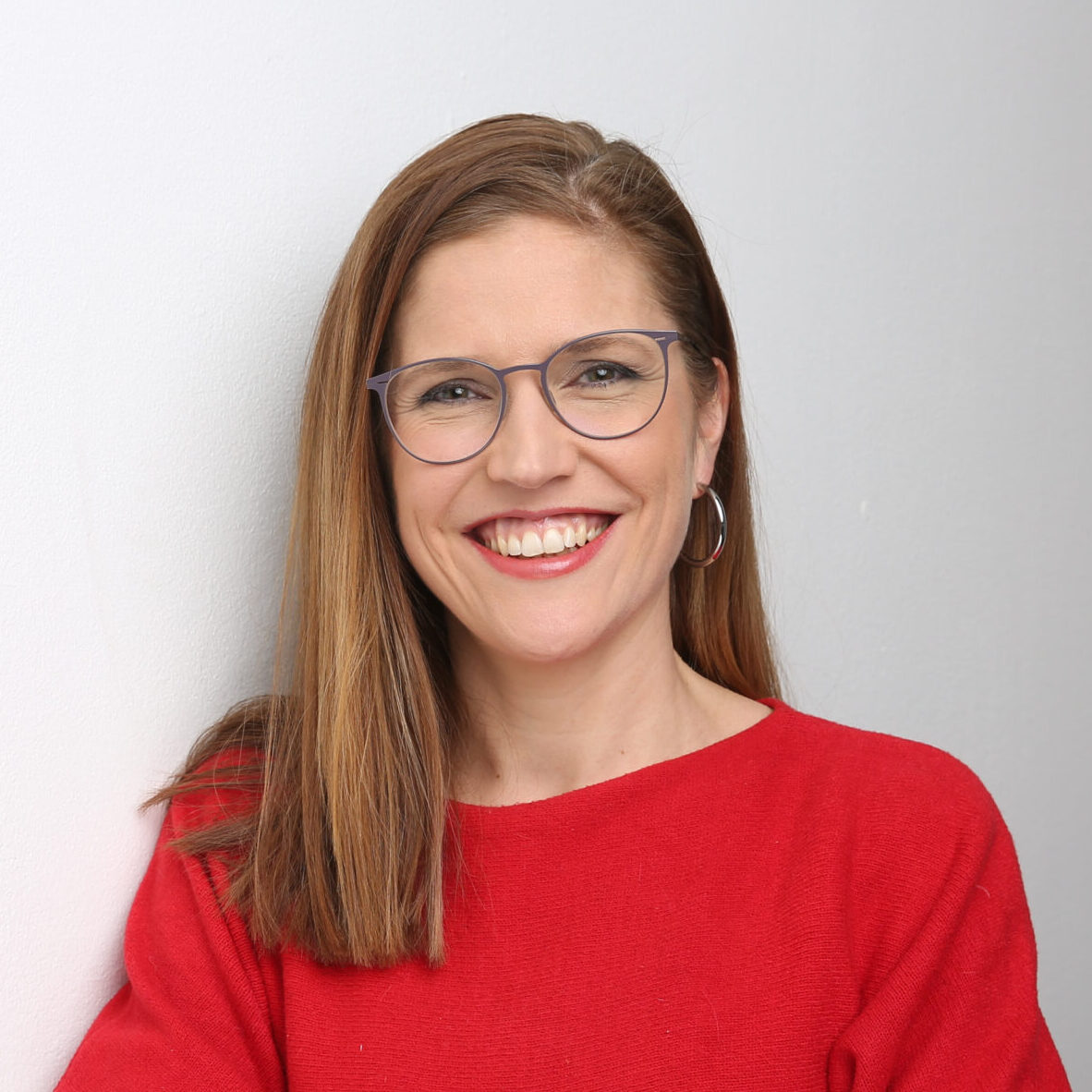
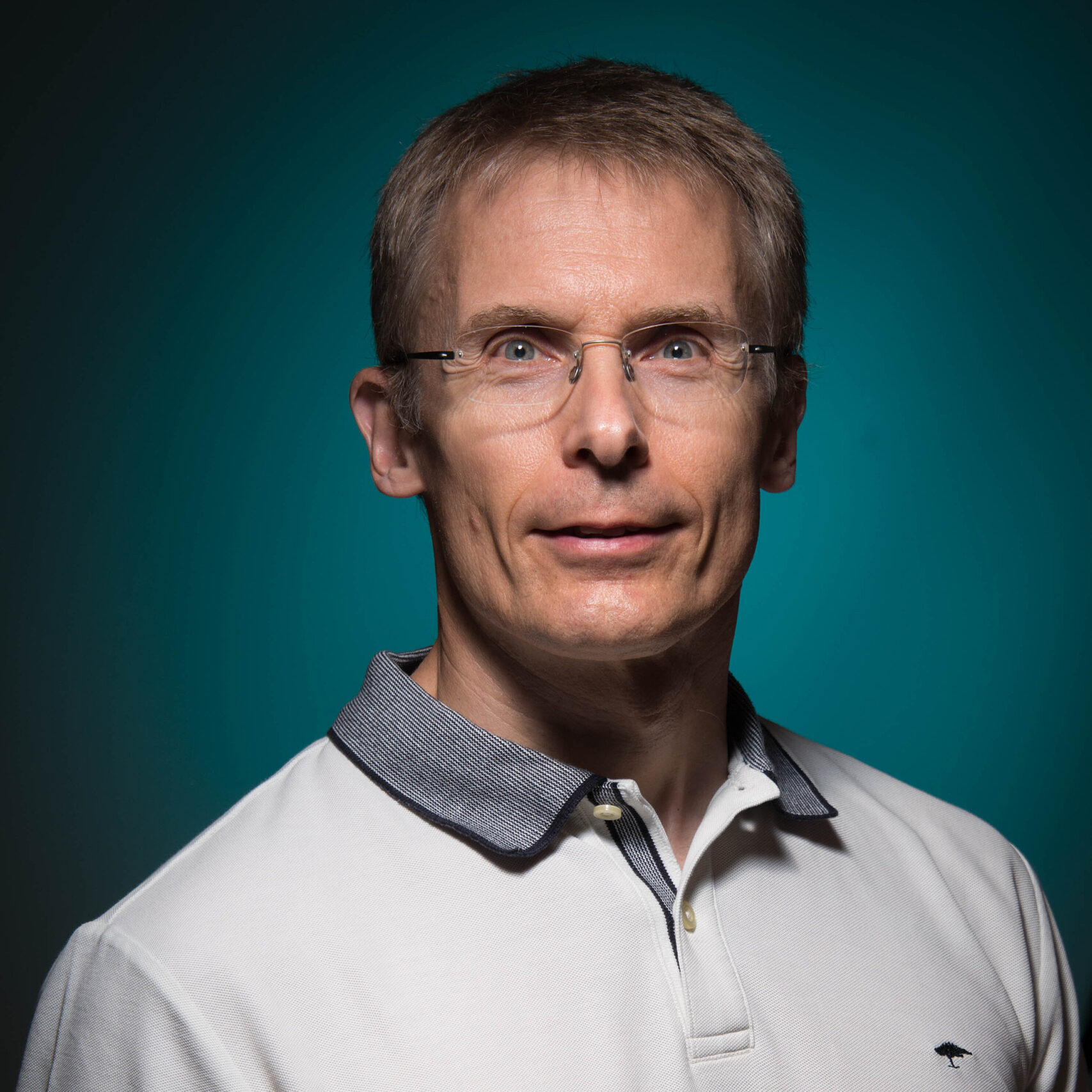
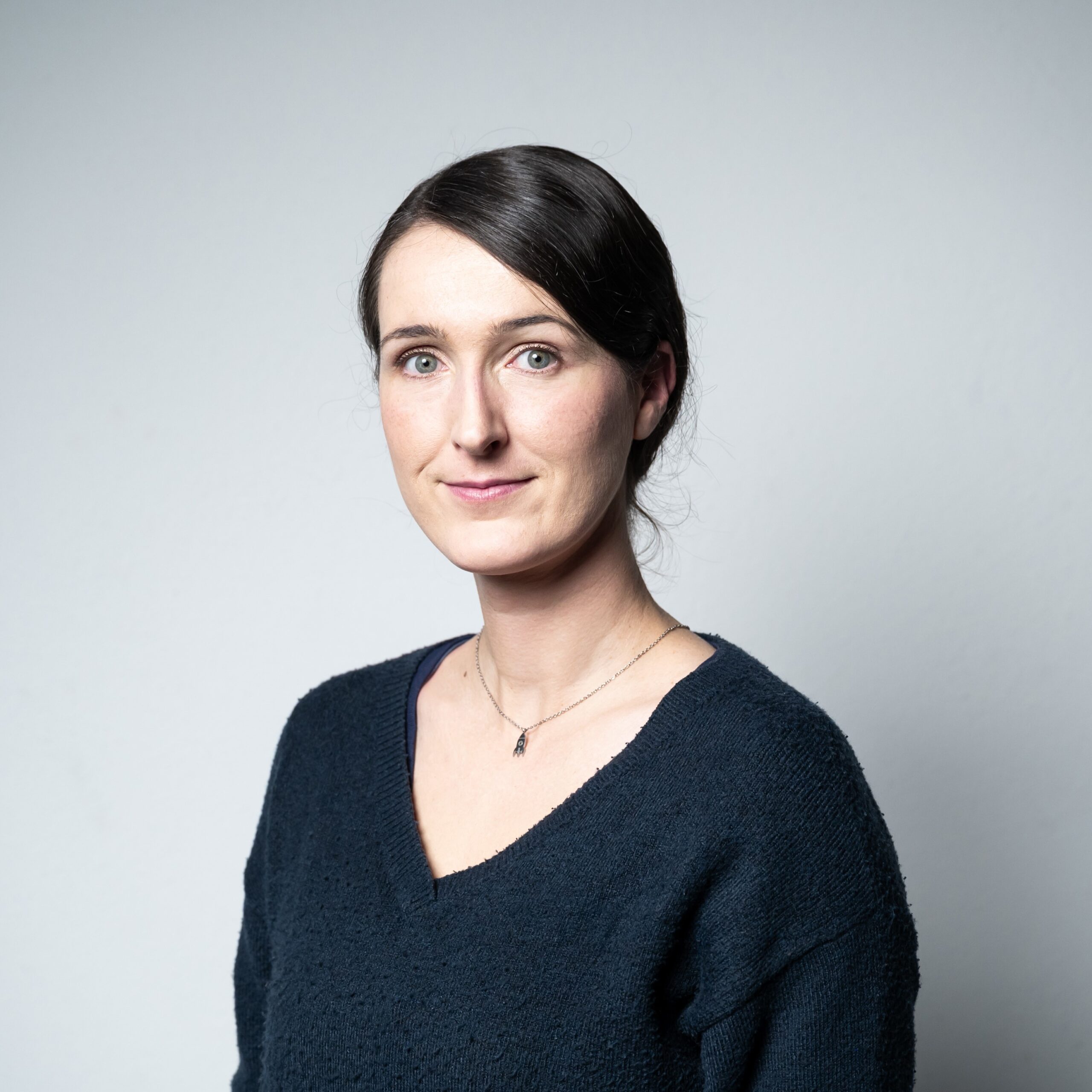
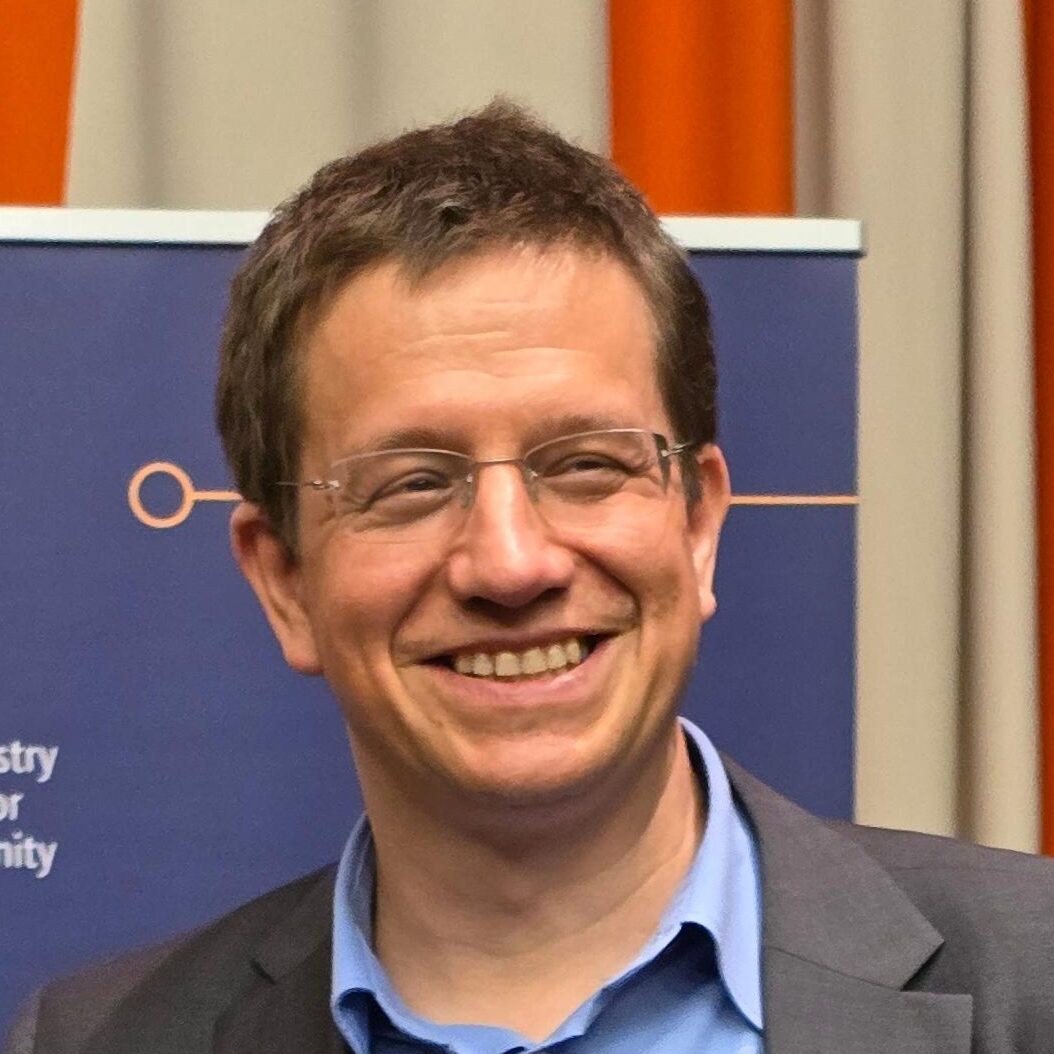
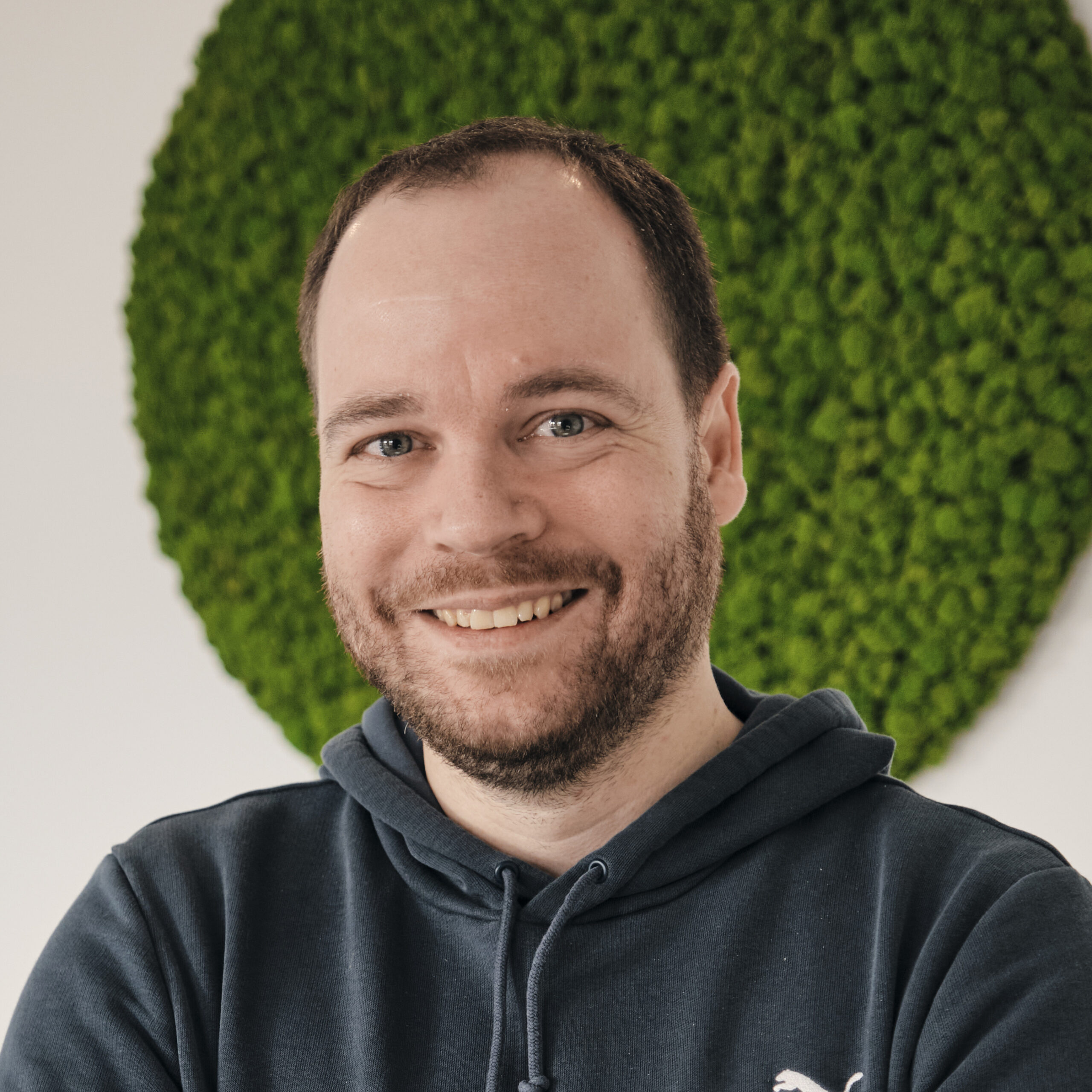
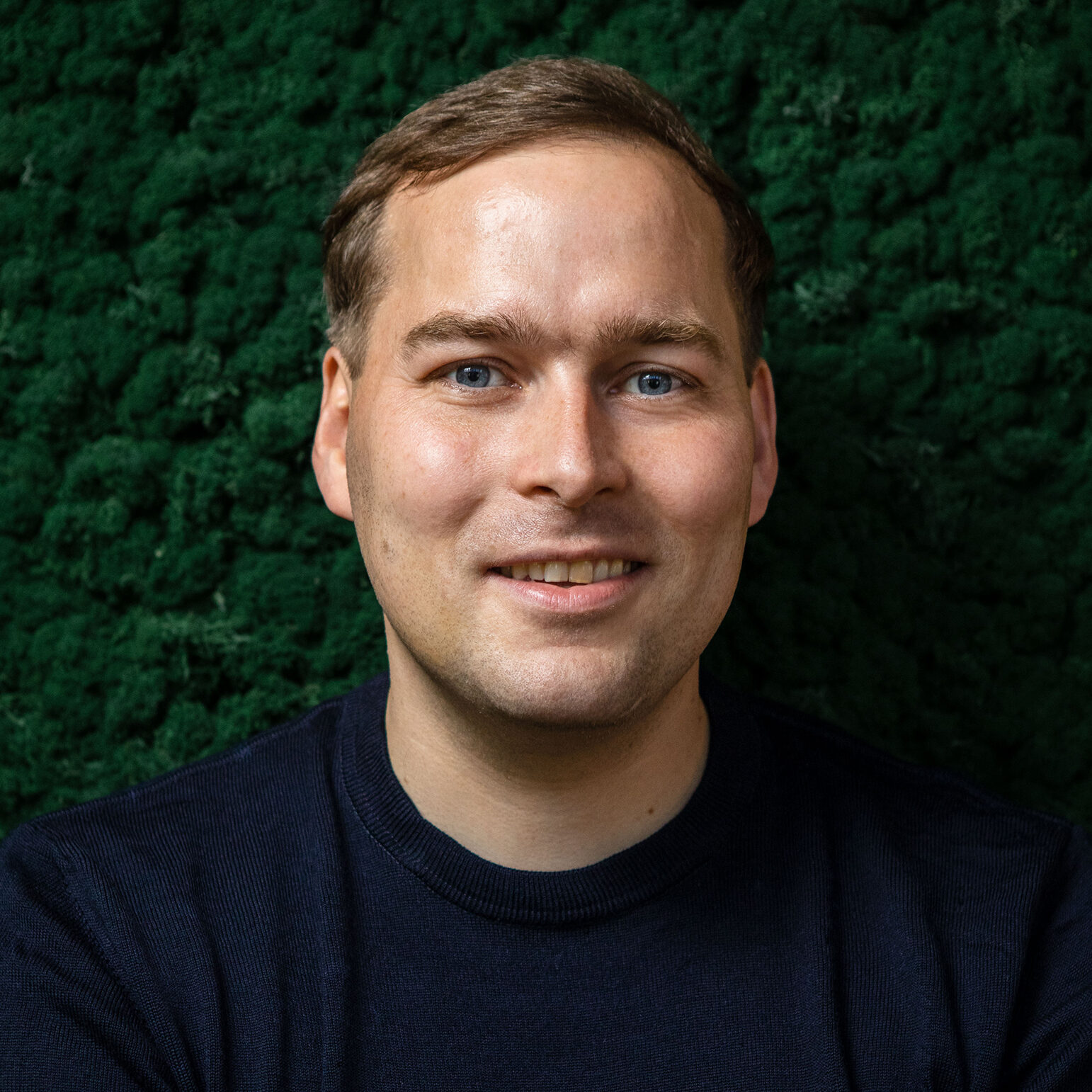
On 21 September, we once again hosted a round-table discussion, bringing together representatives from the worlds of business and politics to discuss the topic of ALASCA with a C – for Community: Breaking down technical silos together and advancing Europe’s digital sovereignty discussed. Under the overarching question of whathow we can collaborate across organisations and create synergies to build a resilient open-source ecosystem with stable and reliable stakeholders, Dirk Meyer-Claassen discussed (Berlin Senate Chancellery), Luise Kranich (Federal Office for Information Security), Vasu Chandrasekhara (NeoNephos Foundation), Chris Schlaeger (Schwarz Digits GmbH & Co. KG), Miriam Seyffarth (Open Source Business Alliance e.V.), Kurt Garloff (s7n Cloud Service GmbH), Christian Berendt (23 Technologies GmbH) and Marius Feldmann (Cloud&Heat Technologies GmbH) the current status quo, challenges and joint approaches to solutions.
Key points of the discussion
The discussion was underpinned by the overarching aim of creating a viable open-source ecosystem, and the panel of experts discussed the necessary conditions for this from a political, economic and community perspective. The panel identified the following conditions:
- Public administration as a user: Through consistent demand and clear tendering guidelines, incentives can be created to encourage a shift towards sovereign solutions.
- Capacity to act as the basis for sovereignty: Germany needs to build up technological expertise in various areas in order to keep pace with the rapid pace of digitalisation. This includes, for example, the ability of decision-makers in government organisations responsible for procuring IT infrastructure to assess such matters.
- Interoperable standards in digital infrastructure: The aim should be to ensure that individual product components can be sourced on a modular basis from different suppliers. This is because uniform standards in the form of modularity and interoperability facilitate fair competition by enabling companies to develop a variety of business models on a common basis.
- Long-term funding for maintenance: Funding alone is not a long-term solution for stable open-source technologies. It is not suited to maintenance alone, is too short-term in nature and requires excessive detailed planning. Instead, what is needed is the development of sustainable funding models that cover maintenance, security and governance.
- Granular procurement models for SME access: Smaller, modular tenders open up opportunities for small and medium-sized enterprises that possess the technical expertise required for such contracts.
- Altruism versus egoism: Above all, the ecosystem needs stakeholders who build fully-fledged open-source technologies – including governance and quality assurance to support long-term operability.
- Organisation of technical cooperation: Technical cooperation across organisations should begin where there are points of overlap. Specific technological components required for various initiatives should be implemented jointly without major organisational hurdles. If an increasing number of overlaps between such small-scale, technical components are identified, organisational structures for joint collaboration should be established.
- The open-source ecosystem: We must not allow technical details to stand in the way of structured, cross-organisational collaboration, but rather gradually build a resilient open-source ecosystem involving all relevant societal stakeholders in this context, such as universities, businesses, the public sector, open-source foundations and private individuals.
Once these conditions are in place, a functional and stable open-source ecosystem will emerge, from which all stakeholders will benefit.


The interview was attended by press representatives from Netzpolitik, Linux Magazin and the Tagesspiegel, and was conducted by Julia Nitzschner of the Silicon Saxony e.V. presented.
This year, too, we will be making the key points and most important findings from the discussion available to our community in the form of a white paper.
Update on the ALASCA Summit 2026: Programme and registration
ALASCA Summit 2026 Programme
The official programme for our ALASCA Summit has now been available on our website for a few weeks. We are truly delighted that we are once again able to offer our community a valuable and high-quality programme with in-depth, technical content this year. We would like to take this opportunity to once again extend our heartfelt thanks to everyone who submitted proposals! This year, our Technical Steering Committee had the task of selecting from 65 submitted proposals, and the choice was by no means an easy one.
Alongside engaging talks, short presentations and panel discussions, we are once again offering our 3-hour workshops this year, in which you can delve deeply into the topics alongside the relevant experts and gain real-world practical experience and insights. You can sign up for the workshops when you register for the ALASCA Summit. Please note: Places on the workshops are limited – it’s best to book sooner rather than later. 😉
You can view the programme for this year’s ALASCA Summit here Take a look. You can look forward to plenty of valuable discussions, knowledge-sharing and in-depth technical expertise – this year across two parallel tracks!
Registration
The countdown to the event is on! We’re looking forward to a fantastic event together with our community. If you haven’t registered yet, please feel free to do so here. The ALASCA Summit 2026 is an event you won’t want to miss. 😉
Sponsors
We would like to take this opportunity to say a HUGE THANK YOU to this year’s sponsors of the ALASCA Summit. Alongside our Platinum Sponsor – secunet Security Networks AG – We are delighted to have three gold sponsors, eight silver sponsors, a coffee sponsor, a T-shirt sponsor and a game and event app sponsor.
Lorem ipsum dolor sit amet, consectetur adipiscing elit. Ut elit tellus, luctus nec ullamcorper mattis, pulvinar dapibus leo.
Lorem ipsum dolor sit amet, consectetur adipiscing elit. Ut elit tellus, luctus nec ullamcorper mattis, pulvinar dapibus leo.
Lorem ipsum dolor sit amet, consectetur adipiscing elit. Ut elit tellus, luctus nec ullamcorper mattis, pulvinar dapibus leo.

Lorem ipsum dolor sit amet, consectetur adipiscing elit. Ut elit tellus, luctus nec ullamcorper mattis, pulvinar dapibus leo.
Lorem ipsum dolor sit amet, consectetur adipiscing elit. Ut elit tellus, luctus nec ullamcorper mattis, pulvinar dapibus leo.
Lorem ipsum dolor sit amet, consectetur adipiscing elit. Ut elit tellus, luctus nec ullamcorper mattis, pulvinar dapibus leo.
Lorem ipsum dolor sit amet, consectetur adipiscing elit. Ut elit tellus, luctus nec ullamcorper mattis, pulvinar dapibus leo.
Lorem ipsum dolor sit amet, consectetur adipiscing elit. Ut elit tellus, luctus nec ullamcorper mattis, pulvinar dapibus leo.


Lorem ipsum dolor sit amet, consectetur adipiscing elit. Ut elit tellus, luctus nec ullamcorper mattis, pulvinar dapibus leo.
Lorem ipsum dolor sit amet, consectetur adipiscing elit. Ut elit tellus, luctus nec ullamcorper mattis, pulvinar dapibus leo.








Lorem ipsum dolor sit amet, consectetur adipiscing elit. Ut elit tellus, luctus nec ullamcorper mattis, pulvinar dapibus leo.
Lorem ipsum dolor sit amet, consectetur adipiscing elit. Ut elit tellus, luctus nec ullamcorper mattis, pulvinar dapibus leo.


Lorem ipsum dolor sit amet, consectetur adipiscing elit. Ut elit tellus, luctus nec ullamcorper mattis, pulvinar dapibus leo.
Lorem ipsum dolor sit amet, consectetur adipiscing elit. Ut elit tellus, luctus nec ullamcorper mattis, pulvinar dapibus leo.
Lorem ipsum dolor sit amet, consectetur adipiscing elit. Ut elit tellus, luctus nec ullamcorper mattis, pulvinar dapibus leo.
Lorem ipsum dolor sit amet, consectetur adipiscing elit. Ut elit tellus, luctus nec ullamcorper mattis, pulvinar dapibus leo.

Lorem ipsum dolor sit amet, consectetur adipiscing elit. Ut elit tellus, luctus nec ullamcorper mattis, pulvinar dapibus leo.
Lorem ipsum dolor sit amet, consectetur adipiscing elit. Ut elit tellus, luctus nec ullamcorper mattis, pulvinar dapibus leo.
Without the generous support of our sponsors, it would not be possible to organise an event of this scale – thank you very much! As always, you can find all the information about the ALASCA Summit on our website.
Update from our funding project FOCIS
Progress is also being made steadily in our FOCIS funding project. Despite the summer and many (well-deserved) holidays, there were a number of events in the last quarter in which FOCIS took part. At the end of August, the Cloud Transformation Working Group of the Silicon Saxony e.V. an event focusing on synergies within technical communities and the potential arising from networking and genuine collaboration. FOCIS employee Daniel Gerber presented the ALASCA tech stack in its entirety for the first time and explained how ALASCA’s open-source projects interlink.
In September, the FOCIS team took part in the SCS Hackathon once again – this time at the University of Bamberg. The focus of this hackathon was quite clearly on the Version 2 of the KaaS standard. The three groups worked hard on coding and discussed the relevant topics. They discussed which standards are required for Version 2 of KaaS, which standards are already specified by the Deutschland-Stack and the German Public Administration Cloud, and what can actually be standardised across different providers. The resulting specific action items will now be followed up in the SCS implemented by the SIG Standardisation/Certification working group, based at the organisation and led by Matthias Büchse – ALASCA FOCIS project manager.
FOCIS also took part in the SOVCAP Workshop part. The Sovereign Cloud Capacity Programme is a new initiative aimed at creating a network of sovereign, SCS-compatible clouds as a foundation upon which open cloud-native development, secure knowledge transfer and digital sovereignty can be further advanced. In doing so, they are focusing on universities and educational institutions to inspire the next generation to embrace open source and show them how such technologies are developed, orchestrated and operated.
Throughout the events, the FOCIS team has put a great deal of effort into the documentation on the docs.alasca.cloud set up and supported the ALASCA projects in some areas.
Update from our Technical Steering Committee
Für unser Technical Steering Committee wird’s jetzt spannend! Vor zwei Jahren ins Leben gerufen, hat unser TSC in seiner bisherigen Laufzeit eine Menge wichtiger Themen umgesetzt und viel Arbeit für die technische, projektübergeordnete Leitlinie des Vereins geleistet. Dafür wollen wir uns ganz herzlichen bei unseren aktuelle TSC-Mitglieder bedanken: Josephine Seifert, Christian Berendt (23 Technologies GmbH), Martin Messer (Cyberus Technology GmbH), Matthias Haag (UhuruTec AG) und Marcel Beyer (DISQU GmbH) – im Namen des gesamten ALASCA e.V. danken wir euch für euren unermüdlichen Einsatz. Nach zwei tollen Jahren steht zu Ende Oktober die Wahl des neues Technical Steering Committees für die kommenden zwei Jahre an und wenn ihr Teil eines Vereinsmitgliedes seid und Lust habt, euch in die technische Steueriung des Vereins einzubringen, dann könnt ihr euch sehr gern unter der hello@alasca.cloud. Adresse bei uns melden!
Darüber hinaus freuen wir uns sehr, dass das TSC im letzten Quartal erstmalig eins unserer Projekte mit dem Glacier status was able to award the badge! Yaook is therefore the first ALASCA project to have reached the second technical level.
In addition, a new project category has been created within ALASCA – Ice Picks. With immediate effect, this category includes smaller tools and charts hosted on ALASCA or forked from it, which are too small in scope to be incorporated as full projects. You can view this collective repository here.
In addition, the Technical Steering Committee continues to engage in active discussions on cross-project issues, such as the AI policy and the health of our projects, including health checks. These discussions are intended to ensure that, in future, all ALASCA projects receive security updates in the event of an emergency or respond to security-related bug reports.
News from our open source projects
The teams behind our open source projects were once again hard at work in the last quarter. Now let's move on to the updates:
Arko
The following has happened at Arko since the last ALASCA Community Digest:
-
The update to the dashboards and widgets to use Grafonnet instead of the outdated grafonnet-lib (to support newer versions of Grafana) has been completed.
-
Support for Proxmox is nearing completion.
-
Work on the community goal of SBOM generation is actively underway.
-
There will be a presentation on Proxmox support at the ALASCA Summit.
Tarook

Tarook v14.0 was released in the third quarter of 2026 and offers a range of enhancements and improvements, including:
- Alpha support for deploying Kubernetes on Proxmox
-
Latest Nix binary package for Debian
-
Support for Kubernetes v1.36 has been added
-
Support for Kubernetes v1.32 has been discontinued
-
All components of the Kubernetes control plane are freely configurable
-
Terraform configuration via Terranix (https://terranix.org/)
-
Bare-metal support for the „destroy.sh“ campaign“
-
CNCF compliance for Kubernetes 1.36
-
Numerous dependencies have been updated
-
Various bug fixes and internal improvements
-
See also: Release announcement on the Tarook mailing list (https://lists.alasca.cloud/hyperkitty/list/tarook@lists.alasca.cloud/thread/K25BO7Q62YUHPUOLXNQW46TYOQTUNRGC/)
-
See also: Release notes for Tarook v14 (https://docs.tarook.cloud/release/v14.0/releasenotes.html)
The Tarook v15.0 (upcoming) version also has a few updates to highlight:
- Values for the Monitoring Helm charts (including Prometheus, Thanos and more) can be freely configured
- Gateway API support directly via Envoy Gateway (rather than Tigera/Calico)
- Support for Debian 13 on gateway nodes
- Switching from Calico to eBPF mode
- Complete removal of IPSec support
- Updating numerous dependencies
- Various bug fixes and internal improvements as part of the transition to Nix
Yaook

The following developments have taken place in the Yaook project over the last three months:
- Backporting of numerous CVE patches from OpenStack and their release for Yaook
- Improvements to RabbitMQ (e.g. configuration of worker utilisation, optimisation of the start-up process, further upcoming changes/outstanding issues)
- Increasing the resilience of the Yaook operator in the face of compromised resources
- Support for new OpenStack releases (2025.2 and 2026.1)
- See also https://docs.yaook.cloud/releasenotes.html
Seconlay
Seconlay has seen the following developments over the last three months:
- Formatting volumes with a file system
- Volume Resize: Support for resizing existing volumes
- Improvements to the Rust API client for easy integration
- Graceful Shutdown: Shutting down VMs during system shutdown
- Provisioning of VM and hypervisor output via the API
ALASCA Tech-Talks

Last quarter, we once again held three fantastic tech talks and were delighted to host our ALASCA FOCIS We would like to thank developers Daniel Gerber and Friedrich Zahn, who have once again given us an insight into what managing an open-source cloud infrastructure actually entails, from a technical perspective, in order to keep an organisation like ALASCA running.
In August, we were joined by Benjamin Ritter from the x-cellent technologies They paid a visit and gained a deeper insight into the company’s practical experience with the Helm alternative, kro (Kube Resource Orchestrator).
Once again, September saw a tech talk on one of our club’s internal projects. Georg Alexander Murzik gave us an in-depth insight into the architecture of the Infrastructure-as-a-Service tool Seconlay and an overview of the current stage of development and the project’s objectives.
As always, you can find all the Tech Talks on our YouTube channel and you can watch them at any time afterwards.
What can you look forward to in the coming months in terms of Tech Talks?
In October, we welcome Julian Stecklina from the Cyberus Technology A very warm welcome to our programme – we look forward to exploring this topic in depth Cyberus Linux: Immutable Bare-Metal Systems with NixOS to get on.
In November, Thomas Liske will be visiting us as a representative of the Dresden Internet Exchange, who will be introducing us to the open-source RouterKit project.
In December, as we do every year, we’ll all be taking a Christmas break and will be back in full swing in January – Ivan Gudymenko from the Telekom MMS speaks on the subject of Confidential Inference as a Service and provider exclusion.
ALASCA OpenSnac
Last quarter, we released the second episode of our ALASCA OpenSnac podcast. On the topic of “The relevance of open-source associations for society, business and politics”, we had Miriam Seyffarth by the Open Source Business Alliance and Kai Martius They were guests of secunet Security Networks and discussed the role of open-source organisations in a political, social and economic context.
We’d be delighted if you gave it a listen! You can find the podcast and all the details here: https://alasca.cloud/alasca-opensnac-der-podcast/
To subscribe to our ALASCA OpenSnac, simply click on the RSS feed Copy and paste it into your favourite podcast app.
If there are any topics you’d like to hear discussed on the podcast, or if you’d like to appear as a guest yourself, please get in touch via the hello@alasca.cloud.. We’d love to hear your thoughts and feedback!
More news
What else was new?
On 26 August, Silicon Saxony’s Cloud Transformation Working Group hosted the event mentioned above on the topic of ‘Sovereignty through Synergies’, an event which we at ALASCA naturally couldn’t miss! A very important event – as it marks a further step towards networking initiatives and strengthening joint collaboration. Alongside ALASCA, the NeoNephos Foundation Both initiatives were present and introduced themselves, their mission and their technology stack.
Why is this so important? Only when we are familiar with and understand each other’s technology stacks can we identify synergies and find common ground for collaboration – particularly at a technical level.


In addition, Yaook project representative Stefan Hoffmann and Deputy Chair of the Executive Board and TSC Chair Josephine Seifert attended the OpenInfra Summit in Shanghai in September and represented ALASCA at the Community-Led Events Kiosk, where the various national communities of the OpenInfra Foundation come together. Whilst there, they also made a point of highlighting our ALASCA Summit once again, which this year includes an OpenInfra track.


As you can see, our last quarter here at ALASCA was also largely characterised by the principle of cross-organisational collaboration and extensive networking with a great many related initiatives and stakeholders. For it is only by connecting communities and breaking down isolated pockets of work that we can pave the way towards genuine digital sovereignty in Europe.
Thank you for your interest, your support and see you soon - online or in person.
